Why Timing Matters More Than Many People Think in Forex Trading
People often spend a lot of time thinking about direction when they first start trading. Questions usually sound familiar: Is the market going up? Will the price move lower? Is this a good opportunity to enter? Most of the attention naturally goes toward trying to understand where prices might go next.
Interestingly, many traders later discover that direction is only part of the picture.
Two traders can have exactly the same market idea and still experience completely different outcomes. Both may identify the same trend and both may reach the same conclusion about price movement. However, if one enters during a period of unstable activity while the other enters under different conditions, their experiences may look surprisingly different.
For people involved in forex, timing often influences trading decisions more than they initially expect.
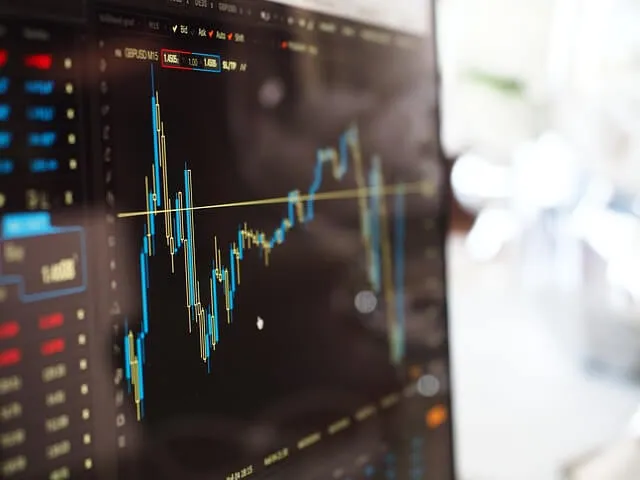
Image Source: Pixabay
Markets Do Not Behave Identically Throughout the Day
Unlike some markets that operate during limited hours, the forex market continues moving across different regions of the world. As various financial centres become active, market behaviour can change as well.
There are periods where activity increases and price movement becomes stronger. There are also times where markets become quieter and movement slows down considerably.
This can influence several things, including:
- Market activity levels
- Price movement speed
- Volatility conditions
- Liquidity within the market
- Trading opportunities
Because these conditions continue changing, traders often notice that the same strategy may feel different depending on when it is used.
Strong Opportunities Do Not Always Appear Constantly
One common misunderstanding among beginners is believing that opportunities should exist at every moment.
The market can create movement throughout the day, but not every period behaves in the same way. Some sessions may create clearer trends, while others may involve slower and less predictable conditions.
This often leads to situations where traders become frustrated because they feel pressure to stay involved continuously.
More experienced traders frequently develop a different approach.
Instead of trying to participate in everything happening on the screen, they sometimes become more selective about when they choose to focus their attention.
Timing Can Influence Behaviour Too
The market itself is not the only thing changing throughout the day.
People change as well.
Energy levels can shift. Concentration can vary. External responsibilities and distractions can influence decision making without becoming obvious immediately.
Someone trading while feeling focused and prepared may experience the market very differently from someone feeling rushed or mentally tired.
For people involved in forex, timing can sometimes affect the trader as much as it affects the market.
Better Timing Does Not Mean Perfect Timing
Many people hear the word timing and immediately think about trying to predict the exact moment to enter or exit the market.
In practice, timing usually works differently.
It often involves recognising conditions, understanding when markets behave differently, and knowing when certain environments fit a particular trading approach.
Perfect timing rarely exists because markets constantly change.
Learning how different periods behave often becomes more useful than trying to find one exact moment that guarantees success.
For many traders, forex eventually becomes less about constantly asking where the market will move and more about understanding when certain conditions may create clearer opportunities. Timing may not always receive as much attention as strategies or market analysis, but it frequently plays a larger role in the overall trading experience than many people initially realise.

Comments