No Two Walls Hear the Same
Rooms may look alike, but they never sound the same. Even with the same size and shape, each space responds differently to sound. Materials, angles, furniture, and air flow all affect how voices travel and music moves. That’s why copying an audio setup from one location to another rarely works. It’s also why sound often feels off, even when the volume seems right.
Shops, offices, and event spaces face this challenge. A well-designed sound system in one branch might fall flat in another. Not because the gear changed, but because the room did. One wall reflects, another absorbs. Glass bounces high tones. Thick drapes muffle mids. Wooden floors carry sound farther than carpet. These small shifts build up.
Still, many businesses treat audio as plug-and-play. They set up speakers, test the volume, and move on. But when sound behaves in unexpected ways, the problems begin. Customers struggle to hear a message. Staff raise their voices in meetings. Music sounds sharp in one corner and dull in the next. These effects break flow, reduce comfort, and lower the quality of the whole experience.
That’s where commercial audio speakers help. Unlike standard systems, they let installers fine-tune how sound enters and fills a space. They offer better control over direction, strength, and tone. When used with care, they adjust to the room, not just fill it. That flexibility means two stores with different layouts can still offer the same audio experience.
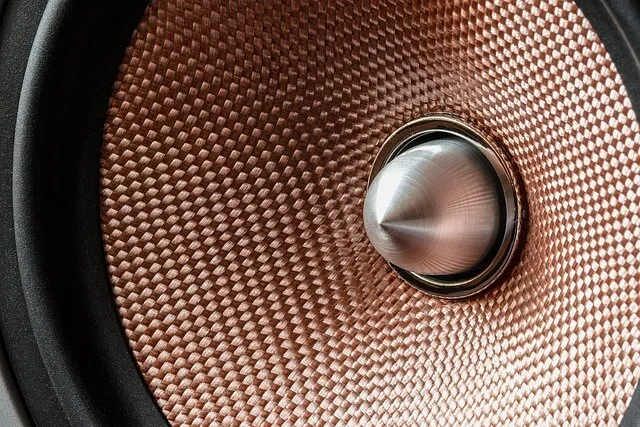
Image Source: Pixabay
But equipment alone doesn’t solve everything. The first step is to listen. Walk the space. Clap. Speak. Stand in corners. That tells more than diagrams ever could. Once people understand how sound moves through a room, they can start planning.
Some spaces need tighter sound control. In small clinics or offices, echoes can distract clients or make staff feel uneasy. A gentle sound curve matters more than big volume. In larger venues, the focus might shift to distance making sure voices reach the back without overpowering the front. Each goal changes the plan.
Walls play a bigger role than many expect. A flat wall might reflect sound evenly, but angled walls can push it into strange directions. Curved walls may cause buildup in one spot. Knowing this helps avoid dead zones or sound traps.
When sound doesn’t match the space, people feel it. They might not know why they feel tired after a short visit or frustrated during a call. But often, it’s the sound wearing them down. Adjusting the system even slightly can turn that around.
Commercial audio speakers support that kind of precision. They let teams test, tweak, and tune as needed. If one room echoes, the installer can narrow the angle. If another feels too quiet near the edges, the speaker layout changes. Over time, these shifts build a smoother, more even space.
The point isn’t to make every room sound the same. That’s not possible. The goal is to make each one sound right for what it’s used for. A yoga studio and a bike shop shouldn’t aim for the same result. But both can benefit from a setup that matches their walls, floor, and purpose.
Every space holds its own challenges. But when sound is shaped with care, those challenges become part of the design not obstacles to fight against. The next time sound feels strange in a room, it might not be the speaker’s fault. It might just be the wall listening differently.
And that’s why commercial audio speakers don’t just make sound louder. They help it land where it needs to shaped by the room, guided by the plan, and felt by everyone who walks in.

Comments