When Bitcoin Became the Word Everyone Started Whispering Again
There was a time when Bitcoin seemed to fade into the background, spoken of only by enthusiasts and dreamers. Then, almost without warning, it returned to everyday talk. In cafés, online groups, and office corridors, the word started surfacing again quietly, almost cautiously. It wasn’t a roar of excitement, but a murmur of recognition, as though people remembered something unfinished.
The renewed attention didn’t come from one event. It gathered slowly, fed by shifting economies, unstable currencies, and the search for financial control. Inflation in many parts of the world reminded people why decentralised systems had appealed in the first place. Once dismissed as a fad, it began to feel relevant again not because it promised riches, but because it represented something sturdier than trust in institutions.
For some, the fascination feels nostalgic. Early adopters recall the rush of discovery a decade ago, when each price rise sparked disbelief. For others, especially younger investors, it’s a new frontier. They weren’t around for its early turbulence, so they see it with fresh eyes, as a financial experiment that somehow survived every prediction of collapse. Its endurance gives it credibility, even if doubts remain about how sustainable its value truly is.
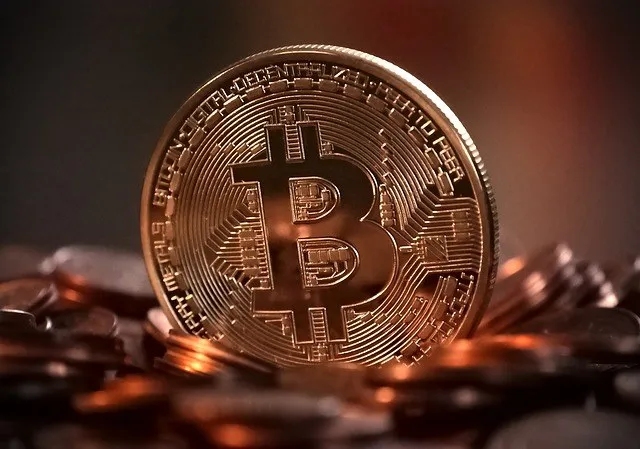
Image Source: Pixabay
Curiosity alone doesn’t explain the whispers. Market fatigue from traditional investments plays a role too. After years of uncertainty, people want something they can study and control themselves. The digital asset fits that desire because it doesn’t require intermediaries, only understanding. And that’s where much of today’s energy lies: not in hype, but in education. People read whitepapers, join online forums, and trade in small amounts, trying to make sense of how this system holds together.
Yet the excitement remains fragile. Volatility has always haunted traders, and the same unpredictability that draws them also scares them. Prices swing overnight, and speculation never sleeps. Investors know the risks, but they continue because the alternative feels dull. The movement of its price, dramatic and unpredictable, mirrors the emotional rhythm of its followers cautious hope one moment, fear the next.
The word’s return to conversation also speaks to cultural change. In earlier years, talk often carried an air of rebellion. It stood for resistance against centralised control. Now, it sounds more like adaptation. People discuss it not as a revolt, but as a tool one option among many. Businesses accept it quietly, payment processors integrate it discreetly, and governments debate regulation without the panic of the past. The rebellion has matured into negotiation.
Still, something about the mystery remains. The currency continues to divide opinion. Economists argue over whether it’s an asset, a medium of exchange, or a clever illusion. Ordinary people, meanwhile, treat it like an opportunity that might vanish if ignored. That tension between faith and doubt gives it a strange vitality. Every rumour of a price surge reignites old excitement, even among those who once swore they were done following it.
The new wave of interest doesn’t rely on spectacle. It’s more measured, shaped by experience and reflection. Traders study history before investing, aware that past patterns don’t guarantee future success. Tech workers explore blockchain innovations connected to Bitcoin rather than the coin alone. The word itself now symbolises more than money; it stands for persistence in uncertainty, for the ability of an idea to survive doubt.
What makes people whisper again isn’t greed or novelty. It’s recognition. They’ve seen markets rise and fall, banks fail, and promises break. In that landscape, it feels like an old conversation restarted a reminder that people still crave independence, even when it feels risky. Perhaps that’s why it continues to return, reshaping itself with each new cycle. Whatever the next chapter holds, the whispers will likely remain, echoing in the same cautious tone that has followed Bitcoin from the very beginning.

Comments